Wet Plate Collodion Handbook
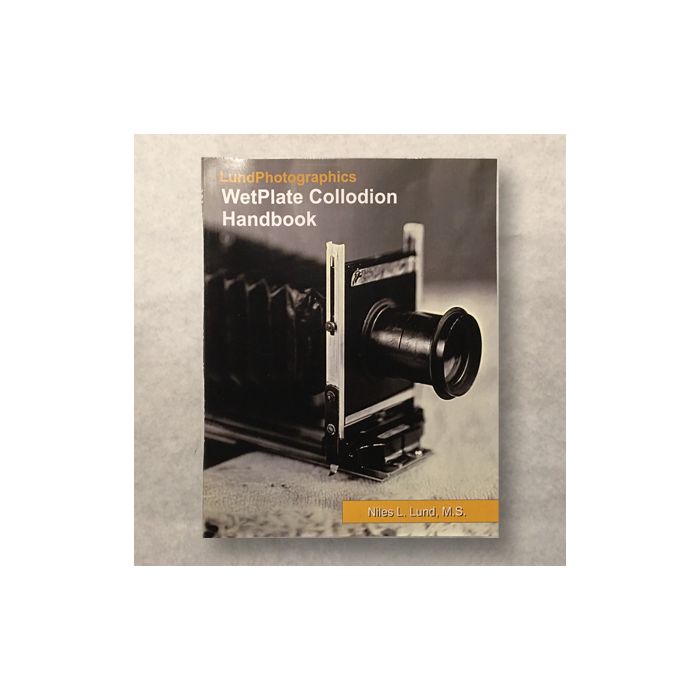
The Collodion Handbook is 148 chock-full pages of in-depth information about how wet plate collodion works, how the pieces fit together, and what happens when you push the envelope beyond the limits. A "must have" reference for the collodion photographer who wants to gain a deeper understanding of the collodion process.
The work and research that went into our collodion manual didn't stop there! We kept going, and now we're simply ecstatic about our 2020 edition of the Wetplate Collodion Handbook! It's a solid year and a half of research, experimentation, and darkroom work packed into 148 chock-full pages of in-depth information about how the wet plate process works, how the pieces fit together, and what happens when you push the envelope beyond the limits. It's loaded with example photos and charts showing the performance of collodion films, formulas, fixers, chemistry, and more. A great reference to have on hand when you want to take your collodion work to the next level.
Part I of the handbook explains the wet plate photographic process from a practical hands-on perspective to get the beginner up and running quickly, describing the "how to" aspects of collodion photography.
Part II of the handbook takes a deep dive into the "how come" aspects of the process, explores why it does what it does, and how variations in the process affect the final image. It uses both images and film curves to compare and contrast a variety of formulae and the effects of their various constituents. Because it describes what happens when the process is pushed beyond it's normal working limits, it's valuable information for getting a handle on trouble shooting the process when things go awry.
Some of the topics covered are:
- Equipment Used
- Making your First Tin Type
- Making Negatives
- Photographic Chemistry Primer
- Natural Lighting
- Characteristic Film Curves
- f-Numbers, Apertures, & Focal Lengths
- Collodion & Light Meters
- Collodion Formulas
- Silver Nitrate
- Developing
- Fixers
- Final Wash
- Trouble Shooting
- Safety Information
Related Posts
-


 A description of how spectral response curves are generated for collodion films.
 -
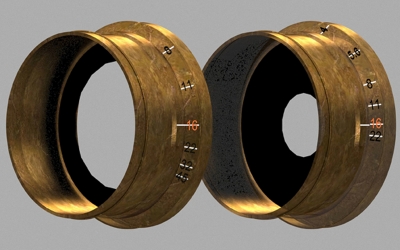 What are f-numbers and why do we use them to describe lens aperture openings? In this video we'll explore how f-numbers work, where they came from, and why they're so useful.
 -
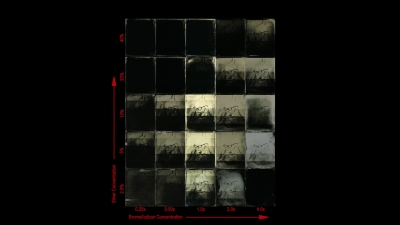 In this video, we examine how varied concentrations of bromo-iodizers in the salted collodion, and silver nitrate concentrations in the silver bath affect the quality, processing robustness, and...
 -
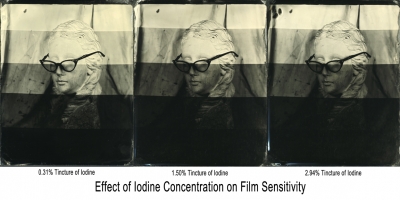 I'm sure you've heard that it's important to wait for a week or so before using newly mixed collodion. "It needs to ripen", they say. Well, what is this "ripening" thing anyway? And how do we know...
 -
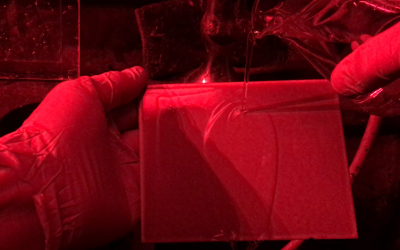 Have you ever wondered where the silver comes from that forms the wet plate image?
 -
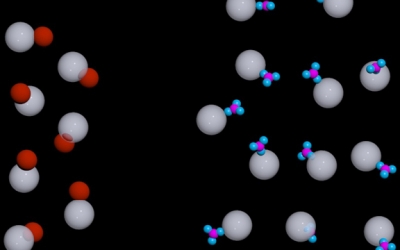 From practical observation of the development process, we know that developing agents are able to reduce a latent photographic image to metallic silver
 -
 There's been a lot of chatter out there over the years about image artifacts that appear on tin. The simplistic response is to blame the tin, but this, in fact, is only a small part of the story...
 -
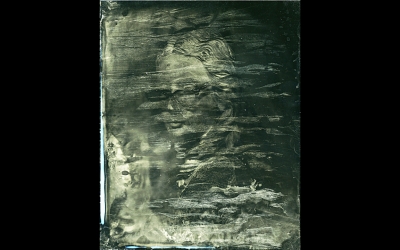 What is the proper amount of time a plate needs to spend in the silver bath? Clearly, there's a lower limit to this time, when the reacting chemistry hasn't had enough time to form the light...
 -
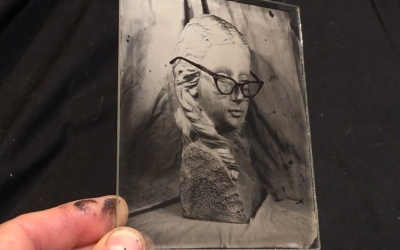 An ambrotype is essentially a tintype on glass. The major difference is in the preparation of the glass that will receive the collodion.